Onyx is naturally formed from calcite in caves around the world when water drips and evaporates from the ends of stalagmites and stalactites. Once it evaporates, it leaves behind traces of minerals and calcium carbonate which causes its intricate bands of varying colours. The bands of colour are produced with alternating silica minerals – quartz and morganite – and leave behind bands that lie parallel to one another. This tends to be why agate is often mistaken for onyx, as it is formed in the same way. However, the layers produced when agate forms are not parallel. Instead, the alternating bands are produced in a more dramatically curved formation.


ONYX Stone

Brown Crystal
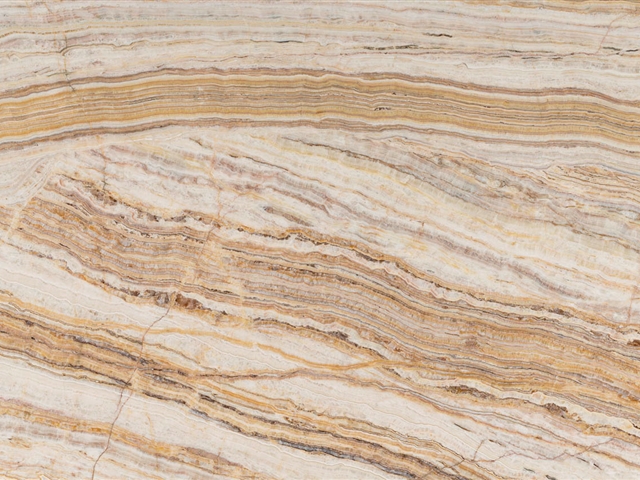
Crema Gold

Honey
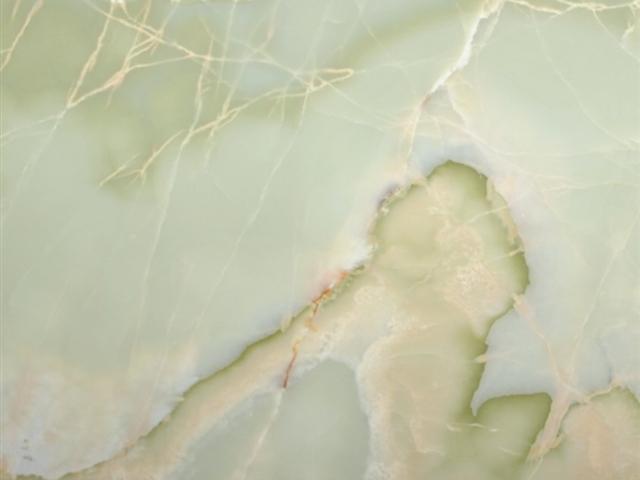
Jade Green

Mexican
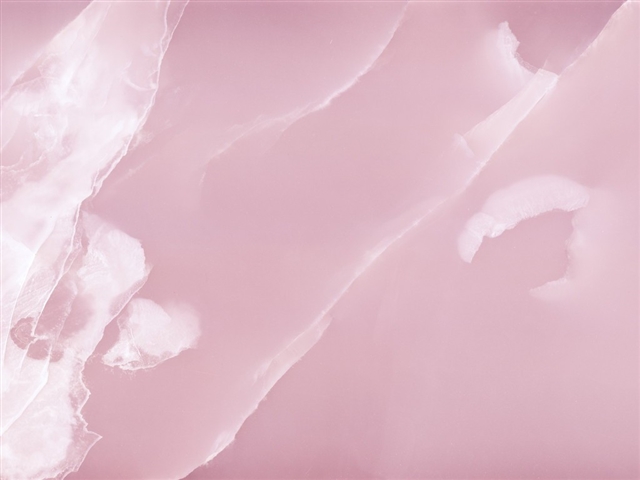
Pink
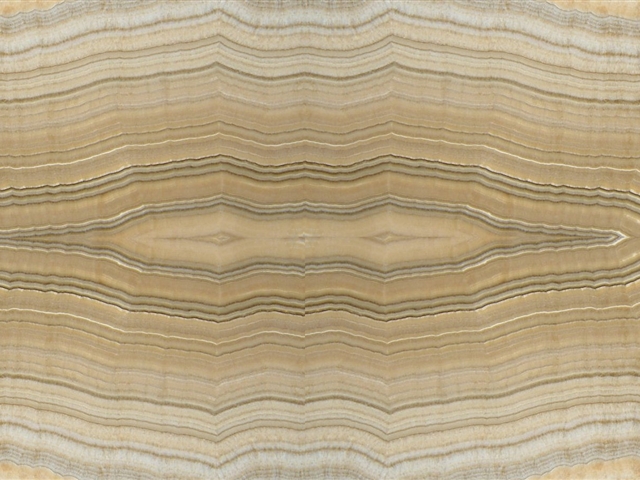
Tiger
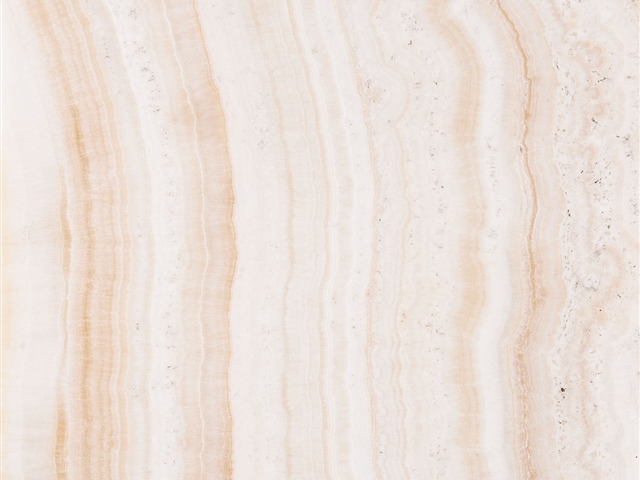
Vanilla

White
BRANDS WE DEAL WITH